25 years. Two companies. One conviction that wouldn't let go.
Armed with $10,000 and a bank loan, Steve founded a security integration company in California at 24. Over eight years, he built it to 35 employees, pioneering the convergence of technology and physical security, a full decade before the industry followed.
He built a commercial and government contracting division from scratch, then sold it internationally for $42 million. When a major client failed to pay, he lost nearly everything. He started over.

While consulting in San Francisco, Steve encountered a computer processor capable of human detection. The application was immediately clear to him. He had been thinking about it since writing that high school essay. He raised $500,000 from family and friends, committed his 401(k), and founded Robotic Assistance Devices (RAD) in 2016.
In 2017, AITX completed a reverse merger and became a publicly traded company on the OTCQB under the ticker AITX. The thesis that had been forming since 1990 was now a public company.
Between 2017 and 2020, AITX operated on conviction and very little else. The early manufacturing robots had issues. The stock collapsed. The company had no external validation and no runway in the traditional sense.
In 2020, a programmer proposed building an AI-enabled face mask detection system during the pandemic. It worked. Media picked it up. Investors took notice. The company recalibrated its debt, paid back-due salaries, added healthcare and bonuses, and began scaling in earnest.

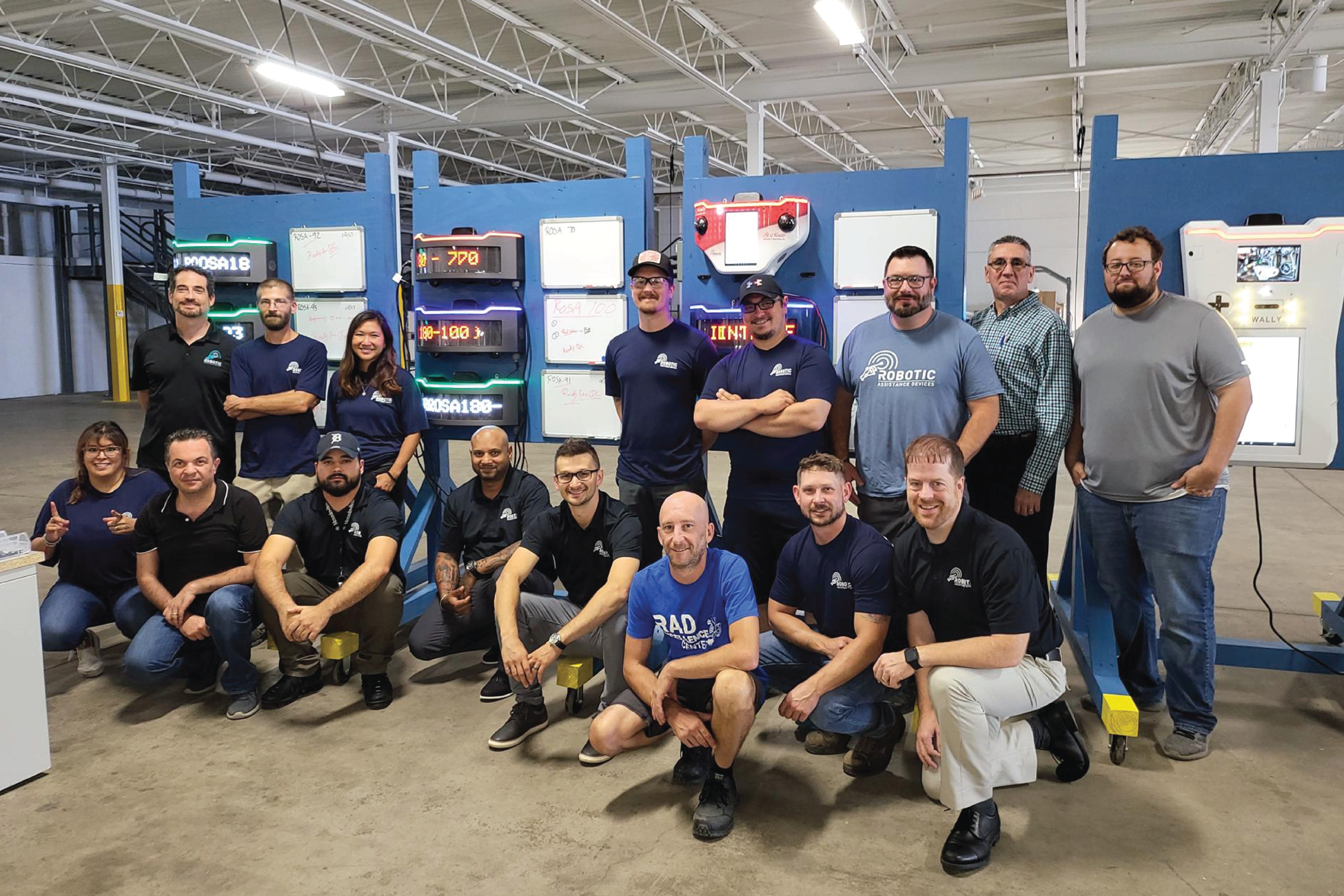
Steve relocated his family from California to Detroit in spring 2021, committed to rebuilding and manufacturing at scale. The RAD Excellence Center (REX) opened in Ferndale: 30,000 square feet of manufacturing space, staffed largely by talent recruited from Michigan's automotive sector.
Today the company operates with a 75-person team, over 1,000 autonomous units deployed worldwide, and 315% year-over-year revenue growth as reported in the most recent SEC filings.
That is the actual motivation. Not market share targets. Not recognition. Not a lifestyle upgrade. Steve is clear that his life won't substantially change whether AITX reaches $100M or $1B in market cap.
What drives him is the question of capability: can I build this? The ambition is to take AITX (and potentially other ventures) to billions in market capitalization, simply to demonstrate that it's achievable. The money is a byproduct. The proof of concept is the point.
The vision of autonomous devices performing human work everywhere was considered fringe when he first articulated it decades ago. It is now mainstream. He stayed the course. That pattern is the strategy.
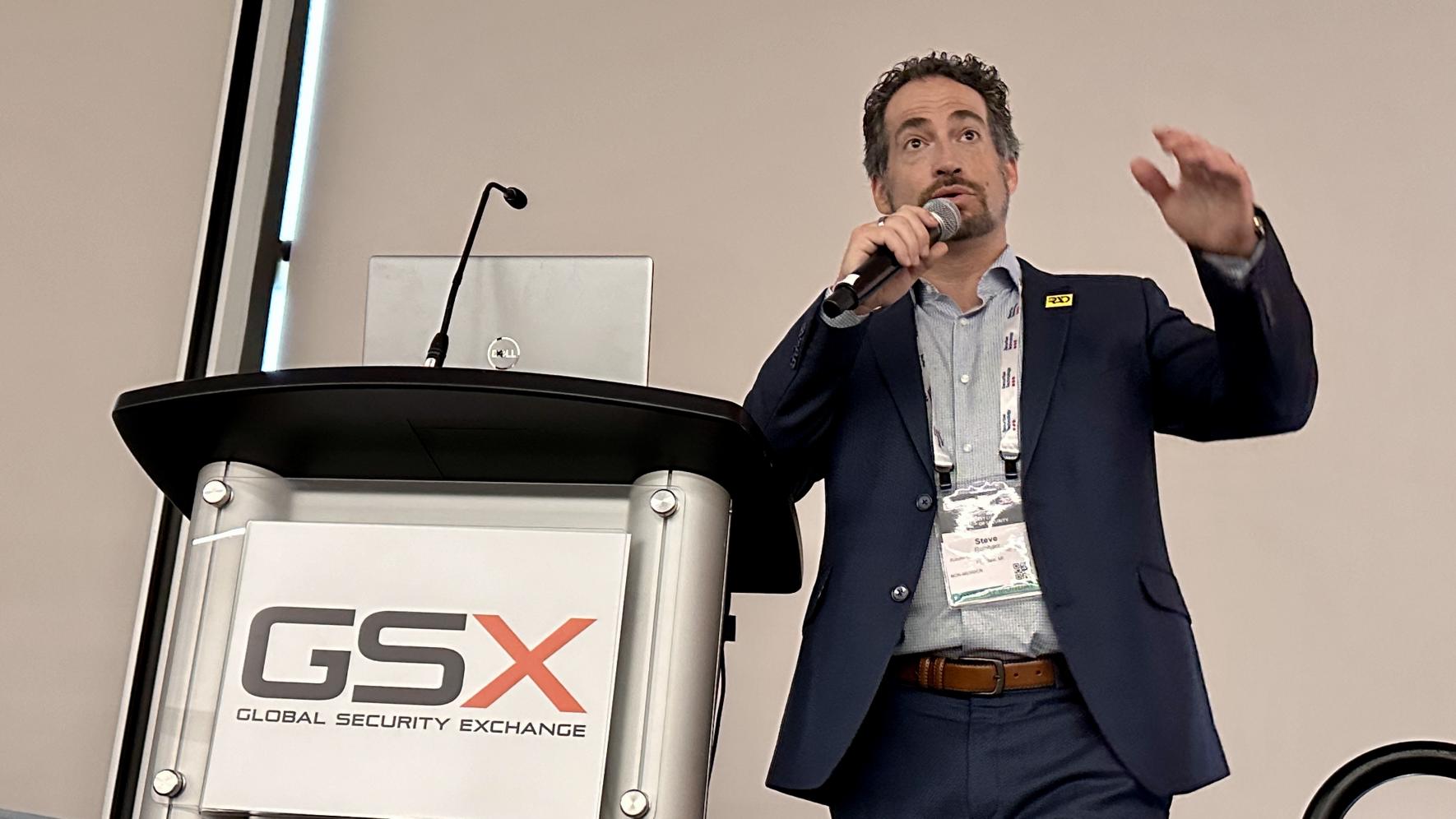
As founder, Steve's involvement is fluid. He steps in deep, then backs out when capable leaders take ownership. The founder lens differs from the operator lens.
Capital markets, investor relations, strategic direction, and public company obligations. Day-to-day sales operations now run through Troy. Steve is ancillary on deals, present on strategy.
Product architecture and platform direction remain closely held. As the founding technologist, Steve is still the primary decision-maker on what gets built and why. The technical vision and the founding vision have to stay coupled.
Manufacturing operates with a strong team, most recruited from Michigan's automotive industry. Steve is involved in budgeting, not operations. He backs out of functions fully when the right leader is in place.


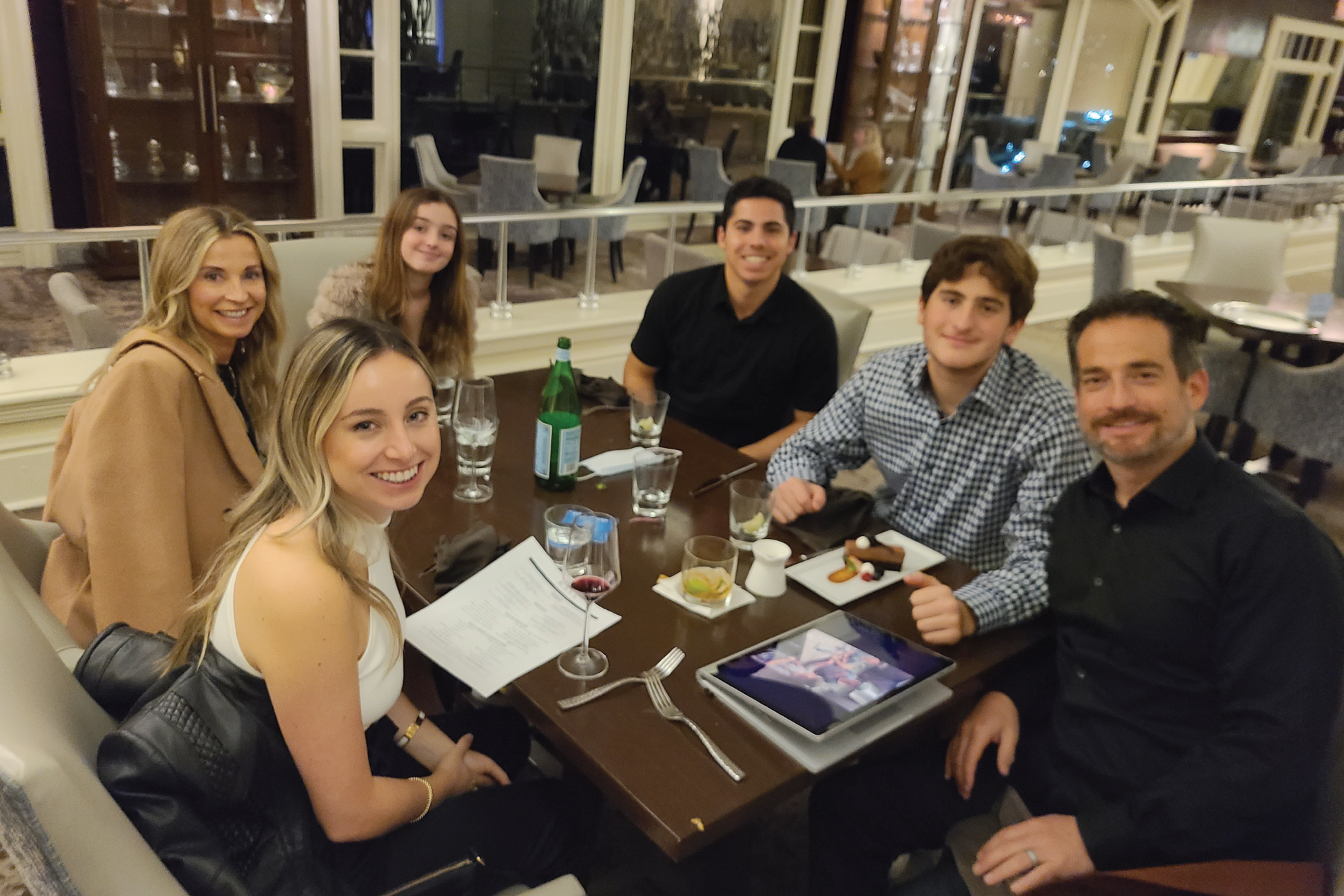
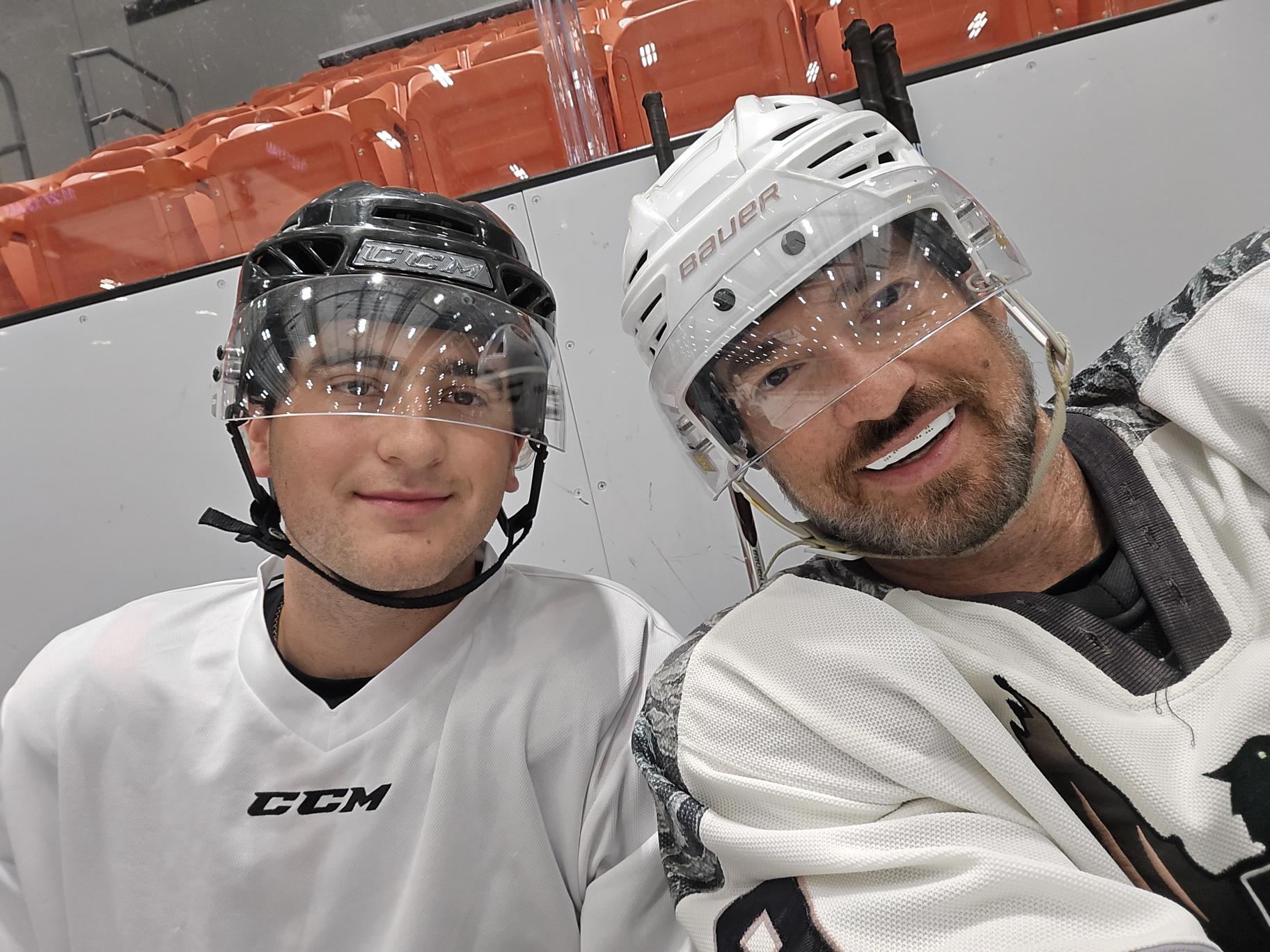
Steve and his wife Amanda have four children. The family relocated from California to Detroit in 2021. He plays hockey — always has.
He supports charitable causes privately. He does not seek publicity or credit for philanthropy. He considers this a personal conviction, not a brand position.